The People Behind Your Exchange
Who Does What in an F-1 Student Exchange
An international student program is a chain of relationships that connects a student in their home country to a classroom and a family in the United States. When every role does its part, the experience is safe, supported, and life-changing. Here is everyone involved — and why each one matters.
The Student
Everything in an exchange program is built around one young person choosing to study, live, and grow in a new country. The student isn't a passenger — their honesty, openness, and willingness to participate shape the entire experience.
Apply honestly
A detailed, truthful profile is what lets everyone match the student with the right host family and the right school.
Prepare before arrival
Learning about American culture and setting realistic expectations turns the first few weeks from overwhelming into exciting.
Engage during the program
Communicating openly with the host family and coordinator, joining school activities, and saying yes to new experiences is where the growth happens.
Speak up early
When something feels wrong, raising it early — rather than suffering in silence — lets the support team help before a small issue becomes a big one.
Good to know
- Students are never on their own: the local coordinator is the first call, the receiving organization steps in if needed, and the sending organization advocates from home.

Sending Organization (Agency)
The sending organization works directly with the student and family in their home country to find the right program and connect them to trusted partners in the United States. A good one becomes a trusted advisor for the whole family — before, during, and after the program.
Recruitment & advising
Helping families understand the options (F-1 visa vs. J-1 exchange) and recommending the best fit for their goals.
Application & visa support
Guiding paperwork, school selection, and visa documentation, and making sure everything is accurate before it is submitted.
School matching
Working with partner schools and receiving organizations to find the right academic environment — some maintain searchable school databases.
Pre-departure & ongoing advocacy
Orienting the student on culture, travel, and insurance, then staying the parents’ point of contact and pushing for resolution if problems arise.
Good to know
- Transparency about costs, timelines, and what is included.
- Responsiveness across time zones.
- A reputable, direct partner network — not brokering through intermediaries.
- Support that continues throughout the program, not just up to enrollment.

Receiving Organization
The receiving organization is the U.S.-based body legally authorized to run exchange programs on American soil. It is the infrastructure that keeps placements safe, compliant, and accountable.
Legal sponsorship
For J-1 programs, issuing the DS-2019 form that the student needs for their visa — without a designated sponsor, the program cannot legally operate.
Compliance & oversight
Ensuring host-family vetting, student monitoring, and incident reporting all meet federal regulations.
Coordinator & host-family network
Recruiting, training, and supervising local coordinators, and maintaining the approved host-family network and placements.
Emergency response
Acting quickly on medical emergencies, host-family conflicts, or safety concerns — including re-placing a student when a match is not working.
Good to know
- Department of State designation for J-1 programs (on the official sponsor list).
- A CSIET listing, which signals compliance with quality standards.
- Low coordinator-to-student ratios for more personal attention.
- A strong re-placement track record. (For F-1, schools issue the I-20 and oversight runs through SEVP.)
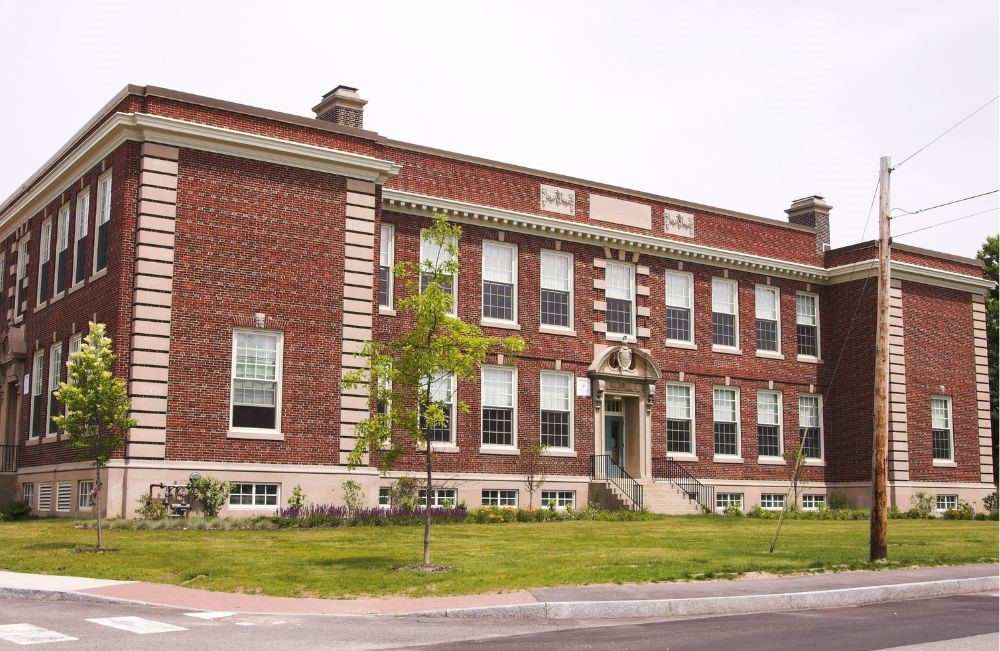
The School
The school is where the academic experience lives, and for many students, the social experience too — the classes, the friendships, the games, and the events that define an American school year.
Academics
Coursework, grades, transcripts, and — for F-1 students — diplomas or transferable credits.
Social integration
Access to extracurriculars, sports, and school events that turn an enrollment into a real experience.
Language support
ESL programs or dedicated support for students still building English proficiency.
F-1 enrollment authority
Issuing the I-20 form as the SEVP-certified institution responsible for the student’s enrollment status.
Good to know
- Schools differ by public vs. private, size and setting, how much experience they have hosting international students, and their academic offerings (AP, STEM, arts, athletics).
- A school is never doing this alone — the sending org, receiving org, and coordinator provide the support that lets it treat an international student like any other enrolled student.
Local Coordinator
The local coordinator lives in or near the community where the student is placed and is the first point of contact for both the student and the host family. Of every role, this is the one that most directly shapes the day-to-day experience.
Host-family recruitment & screening
Finding families, running home visits and background checks, and evaluating fit.
Matching & monthly check-ins
Pairing students and families on interests and personality, then keeping regular contact — great coordinators go beyond the minimum and catch small issues early.
Problem resolution & school liaison
Being the first responder when a student struggles, mediating conflicts, and communicating with teachers and administrators.
Emergency support
Responding first to urgent situations and coordinating with the receiving organization.
Good to know
- A great coordinator is available, culturally sensitive, proactive, and genuinely embedded in the community — not managing from a distance.
- For parents thousands of miles away, the coordinator is your eyes and ears on the ground, and one of the best indicators of a good experience.
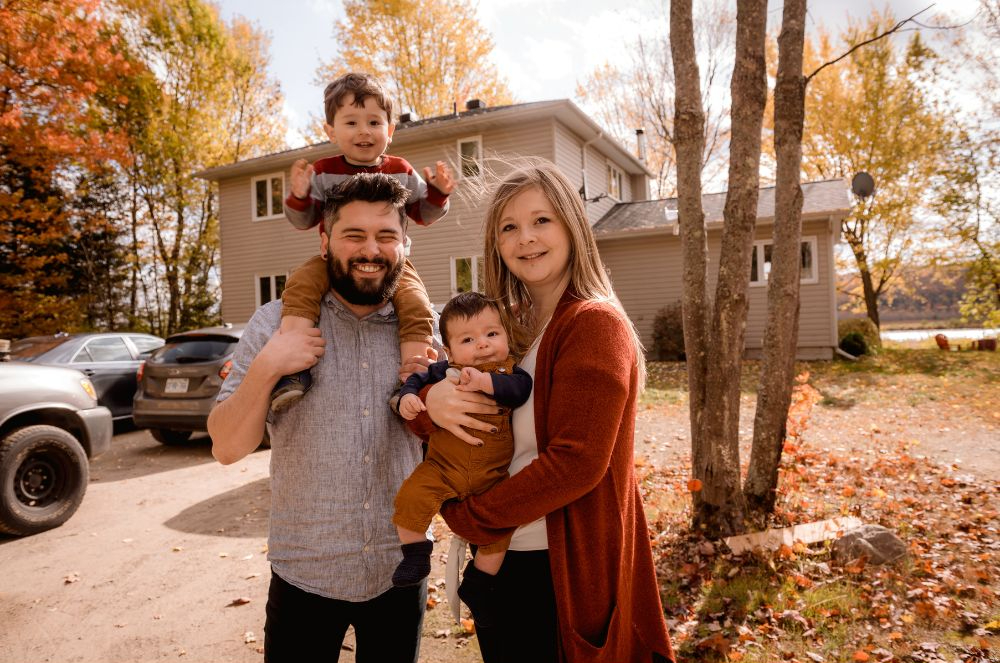
Host Family
The host family provides the home, the daily meals, the transportation, the emotional support, and — most importantly — the authentic cultural immersion that no school or program can replicate. They turn "studying in America" into "living in America."
A safe home
A private bed, meals, a welcoming environment, and the everyday structure a teenager needs.
Cultural immersion & language
Teaching how American life actually works through daily experiences, and providing natural, conversational English practice that accelerates fluency.
Emotional support & transportation
Being there when a student is homesick or confused, and driving them to school and activities — especially where there is no public transit.
Good to know
- Every approved family is rigorously vetted: background checks for every adult, an in-person home inspection, references, interviews, and mandatory orientation.
- J-1 host families are volunteers; F-1 families may receive a stipend for meals and household costs — screening is equally rigorous either way.
- Host families are never alone either: the coordinator, receiving organization, and sending organization all back them up.

How it all fits together
The best programs are the ones where all six groups are engaged, communicating, and aligned around the same goal: giving the student a safe, meaningful, and life-changing experience. The sending organization knows the family and advocates from home; the receiving organization ensures compliance and infrastructure; the local coordinator makes the placement real on the ground; the school provides the academics and social life; the host family provides the home and the heart; and the student shows up, participates, and grows.